How your values already align with veganism
March 15, 2026
How Your Values Already Align with Veganism
Veganism is often perceived by non-vegans as an extreme belief to uphold. There’s this idea that “vegans” are an exclusive entity of people - outliers who oppose a standardised way of thinking and live by a different, perhaps more radical set of principles compared to the rest of society.
But this isn’t strictly true, because the values most commonly aligned with veganism are ones we have already established. Most people go vegan after experiencing an uncomfortable state of cognitive dissonance, realising the standards we set for ourselves and the societies we live in are being compromised by the way we treat animals. If our sense of self is ultimately defined by our moral principles, it means when we act in opposition to these, we are doing ourselves a disservice.
Veganism is therefore misrepresented with this idea of extremity and exclusion, because really it’s about synchronising our actions in accordance with the values we already believe in. What we should be asking instead is - is it possible to consume animal products and stay true to our self-defined moralistic standards? Personally, I’m not so sure that it is…
Compassion - showing kindness and understanding towards others
Compassion is having the ability to recognise the suffering of others and taking action, where possible, to alleviate that suffering. It is a value universally taught across many cultures, religions and societies, and can be evidenced in almost all of us, strengthening our growth and our relationships with others. Even those who actively cause harm are still capable of showing selective compassion towards others or experiencing retroactive guilt and remorse later on in life.
As a society, we agree to indicate compassion towards animals. We are appalled if we see someone kick a dog, or torture a cat, or stab a pig. And yet, the majority of us will justify the latter of those actions if the end result is a bacon sandwich. Instantly, our compassion towards that animal and our shock regarding that action disappears. It’s not even that we distance ourselves from the violence - a lot of us express discomfort at the thought of it - but we still choose to excuse it. We choose to defend it. And suddenly, we find ourselves disregarding one of our strongest inherent moral values by considering taste and convenience to be more important.
Respect - treating others with dignity, regardless of differences
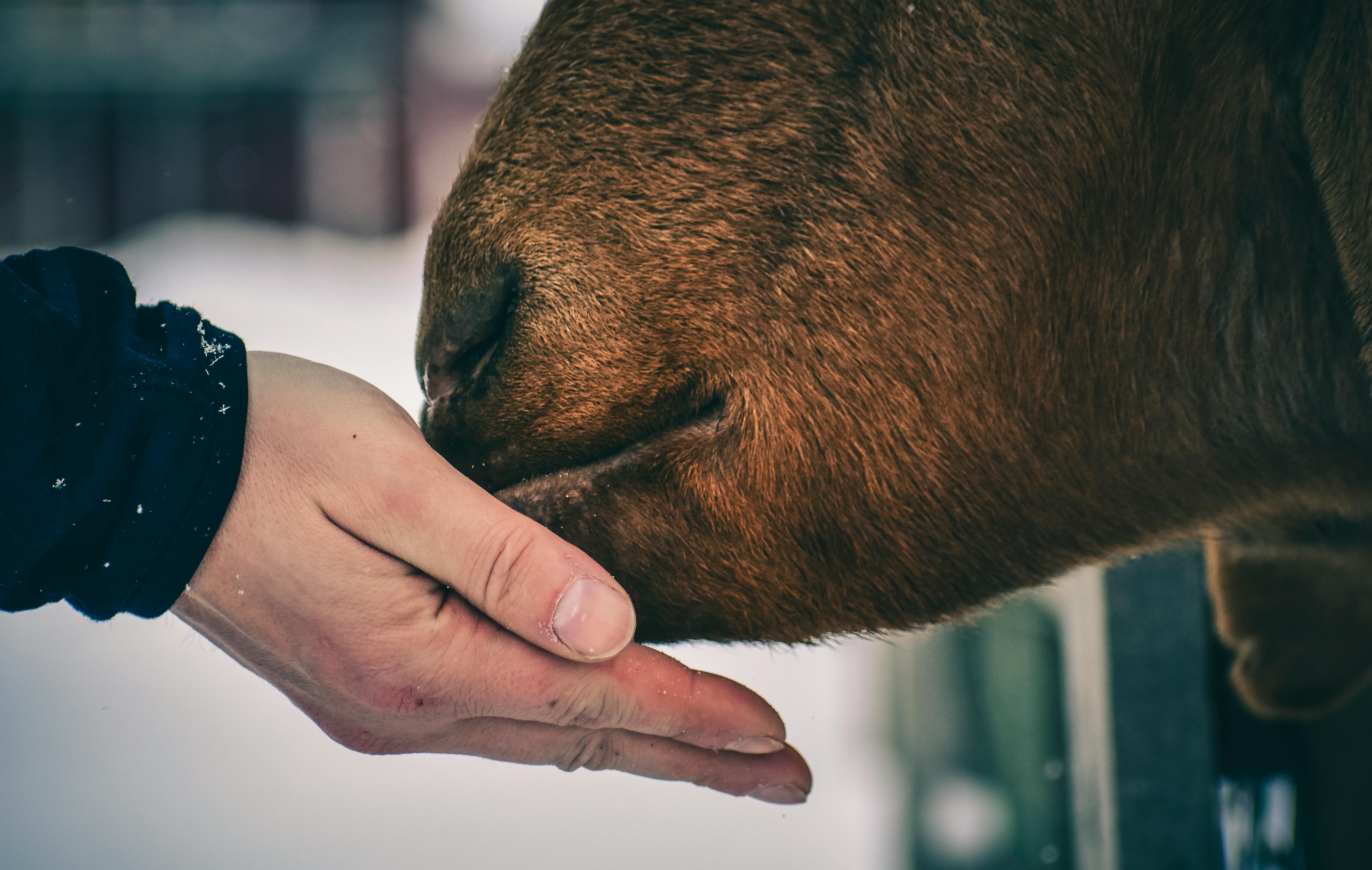
Showing respect towards others feels more important than ever. There is a fragility in our society right now where people not only disregard opposing beliefs, opinions and feelings, but are encouraged to attack each other over them. Online comment sections are littered with insolence and hostility, and prominent figures force a narrative where being considerate towards others is considered “woke” or “soft”. Since when did the expectation of respect become a weakness? One of the earliest lessons we are taught is treat others how you want to be treated, so how is behaving disrespectfully a pretty or positive trait to aspire to?
This is why the positive flipside to the ignorance and hatred being so casually deployed is the response we can take to it. There is a heightened awareness in our collective consciousness to be more considerate of others. So if we can appreciate the importance of respecting one another's race, gender, sexuality, ability etc. - why are we not consistently translating that attitude to include other animals? Our dominance over the animal kingdom does not grant us the right to abuse or exploit species that differ from us - in fact, it places the responsibility on us to be the ones to protect them.
Responsibility - being accountable for one’s actions and obligations
Taking responsibility for our actions is paramount to the stability of our society, because, without it, it would be chaos. When we hold ourselves and each other accountable, it stops us from forgoing our societal and personal duties and teaches us to improve our standards whenever we fail.
But an area many of us neglect to take responsibility are the choices which directly impact the lives of others. Animal products are produced and consumed on the structure of supply and demand. All animal cruelty happens because we demand that it does. We literally pay for it to happen! But consumers tend to appropriate blame onto the supply aspect rather than the demand, when really, there can be no supply if there is no demand. If we boycott these products, we take responsibility into our hands, and so the power lies with us to create that change.
Freedom - upholding the right to make choices and express oneself
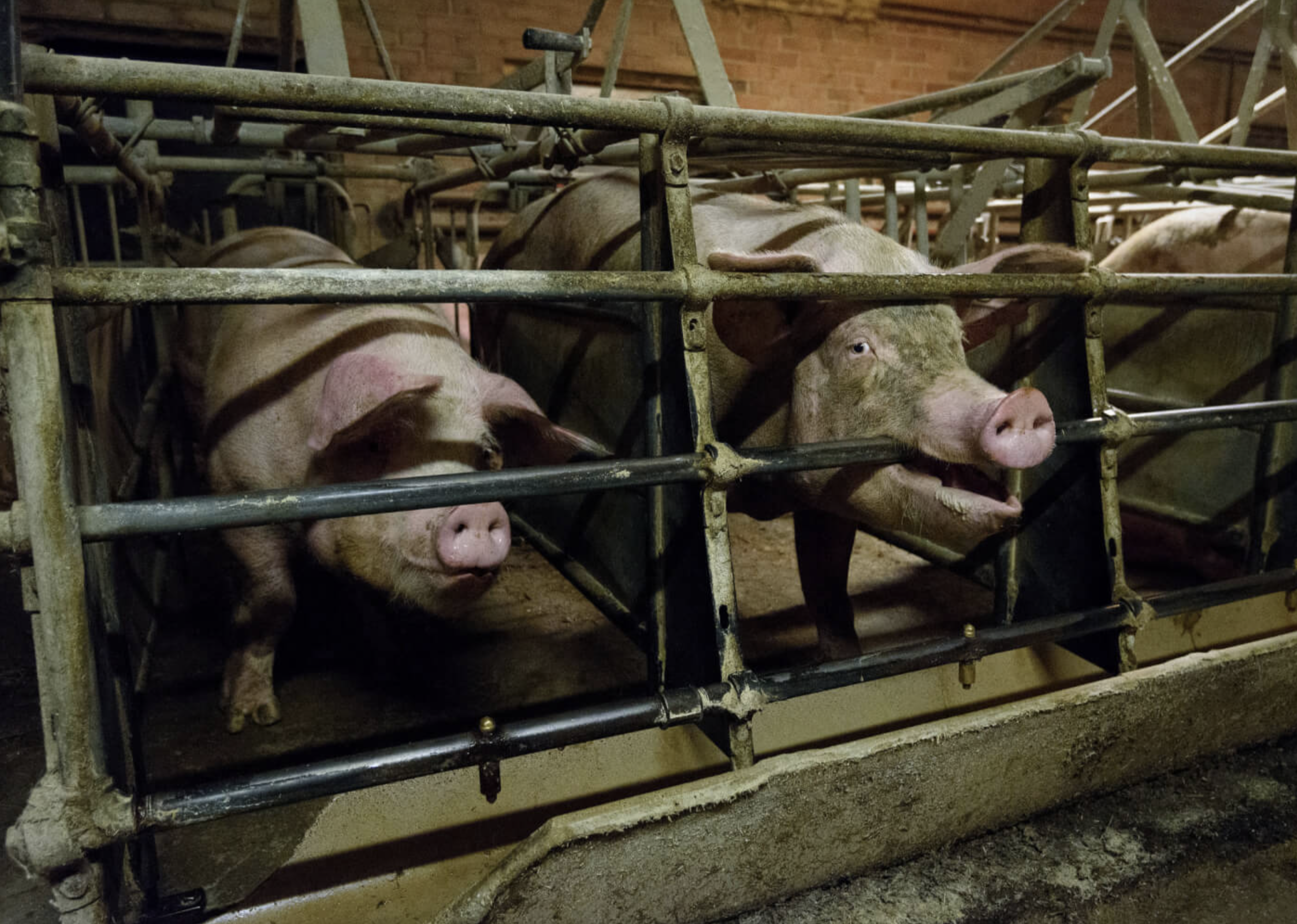
Freedom is one of the most vital aspects to an individual’s overall happiness. Our personal and collective freedom allows us to live authentically by granting us the autonomy to make decisions for ourselves. When freedom is suppressed, our physical and mental well-being is devastated. Could you imagine spending your entire life trapped in a cage barely bigger than your own body, unable to stretch or scratch or turn over? What about being crammed into a poorly ventilated, brightly lit room with thousands of people all pushing, fighting, coughing, bleeding, defecating, and dying on the floor around you,** every second of every day**?** You never get to leave, there is no relief at any point. It is continuous, ineffable, unsurmountable torture.
This is the reality for billions of animals right now. Would you wish that life upon anyone? Is depriving someone of their basic rights to live a free and comfortable existence justified just because you don’t want to give up bacon, cheese or eggs?
Source: https://oikeuttaelaimille.fi/
Honesty - being truthful and transparent in actions and words
Living honestly is important not only in terms of how we are perceived by others, but how we perceive ourselves. Avoiding uncomfortable truths or harsh realities may seem like the easier path to take, but ignoring or suppressing what we truly feel is how cognitive dissonance is formed. And this becomes particularly problematic if these conflicting beliefs are ingrained before you have enough information to develop your own truth, because the dissonance becomes standardised.
For example, as children, we might visit a petting farm to feed the same animals we then go home and eat for dinner. We are taught to treat these animals with kindness and respect, while also learning it is okay for them to be killed and eaten by us. And so when we grow older, we hold two objectively opposing beliefs as fact.
What we struggle to do as adults is openly challenge these conceptions with full blown honesty. It’s uncomfortable to think we might be wrong about something, particularly if we have spent our entire lives believing it. And so when a conflicting statement pops into our head - that maybe it isn’t possible to care about animals if we pay for them to be killed - we bat it away and double down on the comfortable belief we’ve always acknowledged to be true. The discomfort remains, we just choose to ignore it.
If you’re a not-yet vegan reading this, be honest with yourself about the things you’ve just read. Do you believe it is possible to be compassionate when you pay for infant animals to have their throats slit for you? Are you indicating respect by restricting another being’s freedom and brutally ending their existence for the fleeting sensation of taste? Do you agree that the responsibility is on those supplying it instead of yourself for demanding it? Can you honestly answer yes to any of these questions?
Choosing veganism is being honest with ourselves about the decisions we make. It is choosing our self-defined values over our selfish desires. The word “hypocrite” is triggering because it holds a lot of weight, but for me, my decision to go vegan was because I recognised myself as a hypocrite. I was justifying actions which went so drastically against the things I truly believed about how myself and others should act.
Perseverance - staying committed and resilient in the face of challenges
One final value we respect in our societies is the act of perseverance. Those who stay committed and resilient when faced with challenges and adversity. When you choose to go vegan, you will face some difficulties. Whether it's the attitude or response from others, having to reassess your diet, or living in a world so insistent on animal cruelty - there are some struggles along the way.
This is why it’s so important to reflect again on the values we hold, and using those as our reminder to continue.
You can do it. Your values are already in place, you just have to start aligning your actions with them.
